

Restaurant Employee Engagement Surveys: Boost Service & Revenue
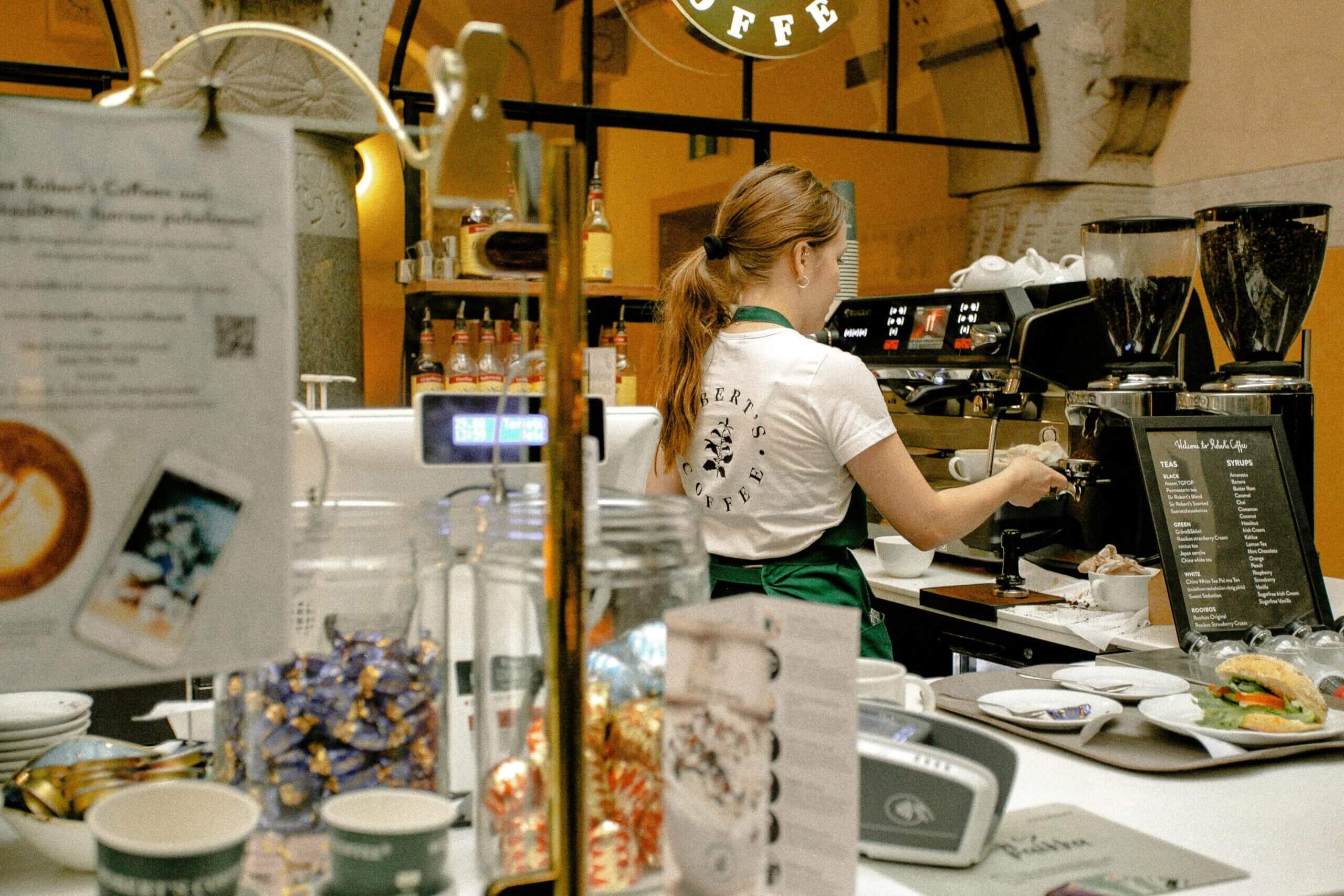
In the restaurant industry, the difference between a mediocre dining experience and an exceptional one often comes down to one factor: your staff. A friendly server who remembers your order preferences, a chef who takes pride in presentation, or a host who makes you feel welcomed from the moment you walk in these interactions directly impact your bottom line.
Yet many restaurant owners focus primarily on food quality and ambiance while overlooking the people who bring the entire experience together. Employee engagement surveys reveal the hidden factors that either boost or sabotage your restaurant’s success.
The Direct Line from Staff Satisfaction to Revenue
Restaurant success isn’t just about great food, it’s about the complete experience your team delivers. When employees are engaged and motivated, it shows in measurable ways:
Higher Check Averages: Engaged servers are more likely to make personalized recommendations, suggest wine pairings, and upsell appetizers or desserts naturally. They’re not just taking orders; they’re enhancing the dining experience.
Increased Customer Retention: Diners return to restaurants where they feel welcomed and well-cared for. A study by Cornell University found that restaurants with highly engaged staff see 32% higher customer retention rates.
Better Online Reviews: Today’s diners are quick to share their experiences online. Engaged employees create the positive moments that turn into 5-star reviews, while disengaged staff often contribute to the negative interactions that hurt your online reputation.
Reduced Waste and Costs: When kitchen staff feel invested in their work, they take more care with portion control, ingredient handling, and food preparation, directly impacting your food costs.
The Unique Challenges of Restaurant Employee Engagement
Restaurants face distinct challenges that make employee engagement both more difficult and more crucial than in other industries:
Fast-Paced Environment: The rush periods demand quick thinking and teamwork. When communication breaks down or tensions rise, it affects everything from order accuracy to table turnover.
Tip-Dependent Income: For many restaurant employees, tips make up a significant portion of their income. Engagement directly affects service quality, which directly affects earning potential.
Kitchen vs. Front-of-House Dynamics: These two teams have different work environments, schedules, and customer interaction levels, yet must work seamlessly together for success.
High Stress Levels: Dealing with demanding customers, tight deadlines, and physical demands can quickly lead to burnout if employees don’t feel supported.
Irregular Hours: Evening, weekend, and holiday shifts are standard, making work-life balance challenging.
How Engagement Surveys Transform Restaurant Operations
Employee engagement surveys help restaurant owners understand the real issues affecting their team’s performance and, ultimately, their customer experience.
Identifying Communication Breakdowns: Maybe your kitchen staff feels like servers don’t communicate special requests clearly, leading to order mistakes and frustrated customers. Or perhaps your front-of-house team needs better information about daily specials and ingredients.
Understanding Peak Hour Stress: Surveys can reveal how different team members handle rush periods. Are certain shifts consistently more stressful? Do employees have the support and tools they need during busy times?
Revealing Training Gaps: Engaged employees often want to excel but may lack the knowledge or skills to do so. Surveys can identify where additional training would boost both confidence and performance.
Uncovering Recognition Issues: In the hectic restaurant environment, good work often goes unnoticed. Surveys help managers understand how their recognition efforts are being received.
Real Customer Service Improvements
When restaurants act on engagement survey insights, the improvements are often immediate and visible:
Faster Table Turnover: Engaged teams communicate better and work more efficiently, reducing wait times without rushing customers.
Improved Order Accuracy: When staff feel heard and valued, they pay closer attention to details, leading to fewer mistakes and happier customers.
Enhanced Upselling: Confident, engaged servers naturally suggest items they believe in, increasing per-ticket averages while improving customer satisfaction.
Better Problem Resolution: Engaged employees are more likely to proactively address issues before customers need to complain, turning potential negative experiences into positive ones.
Key Areas to Focus On
When implementing engagement surveys in your restaurant, pay special attention to:
Team Communication: How well do front-of-house and kitchen staff communicate? Are there regular team meetings or shift briefings?
Stress Management: Do employees feel they have adequate support during rush periods? Are break schedules realistic?
Career Development: Can staff see opportunities for growth, whether as shift supervisors, trainers, or managers?
Work-Life Balance: How do irregular schedules affect your team? Are you flexible when employees need time off?
Recognition and Feedback: Do employees know when they’re doing well? How do managers provide constructive feedback?
Taking Action on Survey Results
The most successful restaurants don’t just collect engagement data they act on it quickly and transparently. Share results with your team, implement changes based on their feedback, and follow up to measure improvements.
Remember, small changes often yield big results. Sometimes it’s as simple as adjusting break schedules, improving communication between kitchen and servers, or recognizing outstanding performance more consistently.
Your restaurant’s success depends on creating an environment where employees want to deliver exceptional service. When your team is engaged, customers notice and they keep coming back.
Ready to discover what’s driving your restaurant team’s performance? Contact 5 Star Engagement to learn how customized employee surveys can boost both staff satisfaction and your bottom line.