

Beating the Summer Slump for Florida Hotel Staff Retention Guide 2026

How Florida Hotels Can Retain Staff Before the 2026 Peak Season
Beating the summer slump in Florida’s hospitality sector requires moving away from seasonal layoffs toward a “retention-first” model that prioritizes scheduling stability and professional development. By investing in employee engagement during the low-occupancy months of June through August, hotel GMs can avoid the $9,000-per-employee replacement cost and ensure a fully trained team is ready for the December peak.
Florida hotel GMs are currently facing a unique paradox: a cooling “summer slump” in occupancy paired with a boiling labor market. While it might be tempting to scale back and “wait out” the heat, proactive management is the only way to safeguard your property’s reputation. With a projected 18% labor shortfall across the Sunshine State this year, the staff you keep today are the only reason you’ll be able to keep your doors open in December.
Key Takeaways
Retention is Revenue: Replacing a mid-level staffer in 2026 costs up to $9,000 in recruitment and training.
Predictability Wins: Consistent “core hours” during the slump prevent staff from migrating to the gig economy.
Kill the Pizza Party: Systemic, data-driven recognition programs outperform one-off perks.
Upskilling Window: Use low occupancy to cross-train staff, increasing their “stickiness” to the property.
Table of Contents
The 2026 Florida Landscape
The Financial Toll of Turnover
Why DIY Retention Fails
The 5-Star Professional Framework
Step-by-Step Retention Strategies
Frequently Asked Questions
The 2026 Florida Hospitality Landscape and Why This Year is Different
In 2026, Florida hotels must compete with “work-from-anywhere” roles and the gig economy. Retention is no longer about pay alone; it’s about offering a professional ecosystem that rivals the flexibility of modern alternative employment.
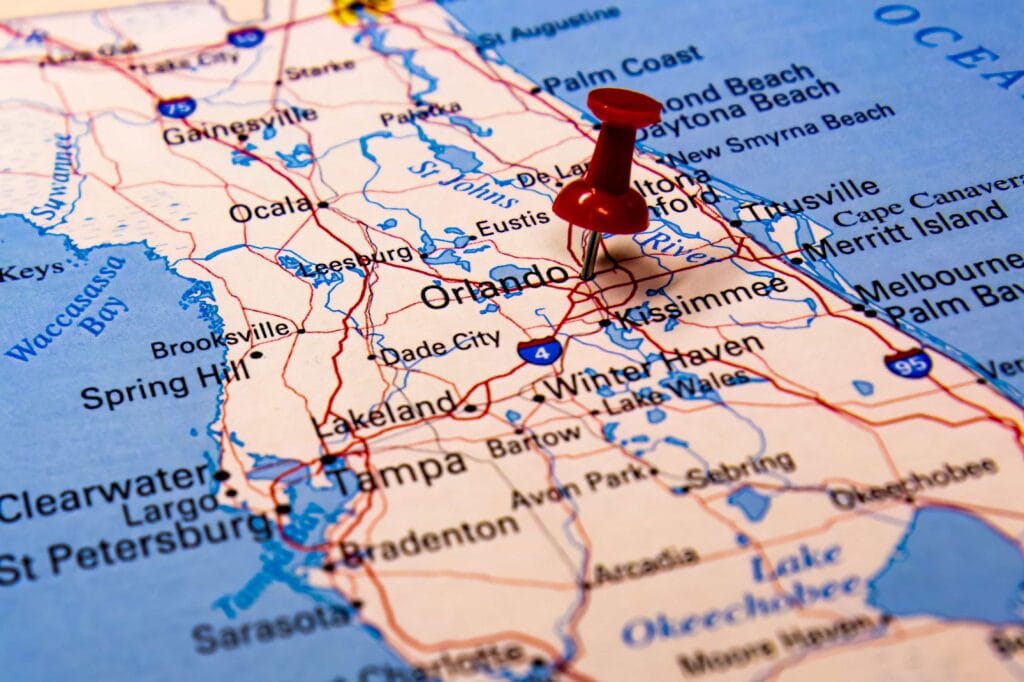
In 2026, “business as usual” has been redefined. Florida remains a global tourism titan, but the labor pool has fundamentally shifted. Recent data indicates that roughly 26% of hotels are experiencing persistent understaffing in front-desk roles.
Conduct “Stay Interviews” in May. Ask your top performers what would make them stay through the slow months before they even consider looking elsewhere.
The Shift in Employee Expectations
Beating the summer slump requires acknowledging that your employees have more options than ever. The competition for your housekeepers isn’t just the hotel across the street. It is every industry offering remote administrative roles or flexible delivery schedules.
The Financial Toll of the “Summer Slump” Turnover
Turnover during the slow season is a “hidden tax”. Losing a veteran staffer costs 1.5x their salary and erases institutional knowledge that is impossible to replace during the chaotic December rush.
Many managers view the summer slow-down as a chance to cut labor costs. However, the costs of losing one trained staff member in 2026 are staggering.
1. Direct Replacement Costs
Replacing a mid-level hospitality worker now costs roughly $6,000–$9,000. This includes background checks, drug testing, and the “ramp-up” period where productivity is halved.
2. The “Knowledge Drain”
When a veteran server leaves, they take the nuances of your regular guests’ preferences. This is data no manual spreadsheet can perfectly capture.
“I’ve seen resorts lose 20% of their guest satisfaction scores in December simply because they replaced their ‘summer’ crew with ‘peak’ rookies who didn’t know the property’s flow.” — Senior Consultant, 5-Star Engagement.

The Failure of DIY Retention and Why “Pizza Parties” No Longer Work
DIY strategies lack the data and consistency needed to build long-term loyalty. Gen Z and Millennial workers prioritize career mapping and transparent feedback over superficial perks.
Why Surface-Level Recognition Fails
We see it every year and a well-meaning GM orders a dozen pizzas. While the gesture is nice, it’s a DIY strategy that lacks depth.
Inconsistency: Recognition becomes “mood-based” rather than performance-based.
Lack of Transparency: “Employee of the Month” feels like a popularity contest.
No Data Loop: You cannot improve what you do not measure.
Cutting hours drastically without warning. This forces your best talent to find a second job, which often becomes their primary job by November.
The Professional Edge and Utilizing 5-Star Engagement Systems
Professional engagement platforms provide a digital ecosystem for your staff. These systems automate feedback and track merit, moving your culture from “guesswork” to “framework.”
Automated Feedback Loops
In a high-pressure Florida resort, the “truth” rarely makes it to the GM’s office. Using mobile-friendly, anonymous surveys allows staff to flag burnout before it leads to a resignation letter.
Merit-Based Rewards
Instead of random perks, employees earn points for measurable successes.
100% attendance during a tropical storm warning.
Positive TripAdvisor mentions.
Completing a safety certification.
According to recent 2026 labor studies, hotels using automated recognition platforms see a 31% higher retention rate during seasonal transitions compared to those using manual methods.
Step-by-Step Strategies for Beating the Summer Slump
Focus on the “Four Pillars”: Upskilling, Scheduling Stability, Cross-Training, and Documented Recognition. These create a “sticky” workplace that survives the heat.
1. The “Upskilling” Initiative
Use the lower occupancy of July and August to turn your “room attendants” into “supervisors-in-training”. When an employee sees a clear path to management, they are 80% more likely to stay.
2. Stabilization of Schedules
Implement “core hours”. Giving your team a predictable income during the slump builds the loyalty needed when you ask them to work overtime in January.
3. Cross-Departmental Exposure
Allow your F&B team to shadow the Front Desk. This breaks the “silo” mentality and creates a versatile team that can handle any peak-season emergency.
| Feature | DIY (The “Old Way”) | Professional (The 5-Star Way) |
| Communication | “Open Door Policy” | Anonymous, Mobile-First Surveys |
| Growth | “Wait for an opening” | Visible Career Path Mapping |
| Rewards | Yearly Bonus / Pizza | Real-time Points & Recognition |
| Retention Data | Exit Interviews | Predictive Turnover Analytics |
Frequently Asked Questions
How can I justify labor costs while beating the summer slump?
View payroll as an asset protection strategy. It is significantly cheaper to carry 5% extra labor in August than it is to pay 200% overtime or agency fees in December because you are understaffed.
What are the best retention strategies for Florida hotels?
Focus on climate-specific perks (like heat-stress breaks), predictable scheduling, and professional growth opportunities. Employees in 2026 value “time-wealth” and career clarity.
Why is employee engagement lower during the summer months?
Lower occupancy often leads to reduced hours and smaller tips for F&B staff. This financial strain, combined with the Florida heat, creates a high-risk environment for turnover.
How do I implement a professional engagement system?
Start by auditing your current communication. Move from paper memos to digital platforms like 5-Star Engagement that allow for real-time, two-way interaction between staff and leadership.
What is the average cost of hospitality turnover in 2026?
Current benchmarks suggest $6,000 for entry-level roles and upwards of $15,000 for specialized management roles, factoring in the competitive Florida labor market.
Preparing for a Successful 2026 Peak Season
Beating the summer slump is the “Secret Sauce” of Florida’s most profitable hotels. By the time the first cold snap hits the North and the tourists flood into Florida, it will be too late to start recruiting. Your success depends on the foundation you build right now.
Next Steps to Secure Your Team:
Audit your current turnover rates from the last two summers.
Implement an anonymous feedback tool to gauge current morale.
Schedule a demo with 5-Star Engagement to automate your recognition.
Ready to secure your staff for the 2026 peak season? Contact 5-Star Engagement today to see how our specialized hospitality surveys and retention consulting can transform your property.