

Fixing Housekeeping Problems and Solutions in Hotel Operations
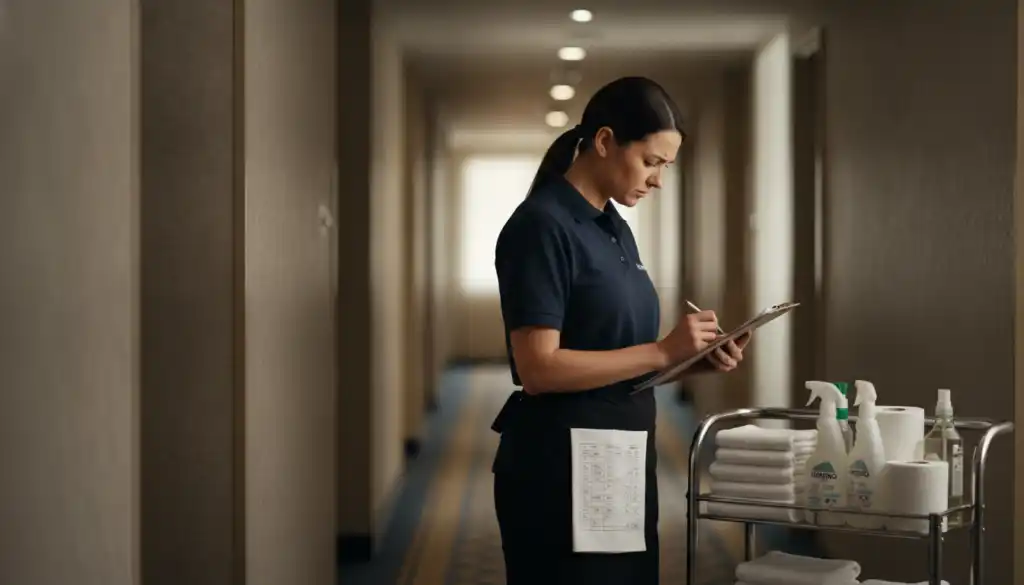
You walk the floor at 11 a.m. and half the rooms on the comp report aren’t turned. Two room attendants called out again. The supervisor is covering a section herself, and the front desk is fielding complaints about late checkout rooms. If this sounds familiar, you’re not dealing with a cleaning problem. You’re dealing with a staffing and morale problem that happens to show up as dirty rooms.
At 5 Starr Engagement, we hear a version of this story from hotel and resort operators constantly. Housekeeping problems and solutions almost always trace back to the same root cause: frontline employees who are burned out, under-recognized, or unclear on expectations, and nobody is asking them why before they quit. This guide walks through the symptoms, the most likely causes, and what to actually do about each one.
Is this urgent?
Most housekeeping staffing issues build slowly. A few signs mean you need to act today, not next quarter:
- Multiple no-call no-shows in one week across the same shift
- A supervisor or manager personally cleaning rooms every day just to hit occupancy
- Guest complaints about room cleanliness trending up for two consecutive weeks
- More than one resignation citing "workload" or "no support" in the same month
- Any report of unsafe lifting, chemical exposure, or injury going unaddressed
If you’re seeing injury-related complaints, stop and review your protocols against OSHA’s hotel housekeeping safety guidance before anything else. Safety issues are never a "wait and see" situation.
Symptom, cause, and fix at a glance
| Symptom | Most Likely Cause | What to Do |
|---|---|---|
| High no-show rate on housekeeping shifts | Burnout from unsustainable room quotas | Audit room-per-shift ratios; add recovery time |
| Rooms consistently late or rushed | Understaffing from recent turnover | Review recent exits; cross-train floor supervisors |
| New hires quitting in the first 30 days | Weak onboarding, unclear standards | Build a structured onboarding survey checkpoint |
| Veteran staff suddenly disengaged | No recognition or feedback loop | Launch a short pulse survey to find the real complaint |
| Shift-to-shift miscommunication on room status | Poor handoff communication | Standardize handoff logs and daily huddles |
🏠 Local Note: We work with hotel and casino operators across the country, and the housekeeping department is almost always the first place turnover shows up before it hits the rest of the property.
Burnout and unsustainable workloads
What it looks like
Room attendants are assigned more rooms than they can clean within a standard shift, so quality slips, injuries creep up, and people quietly start applying elsewhere. Supervisors notice fatigue before management does.
What you can do
Pull your room-per-shift numbers and compare them against industry norms. According to the Bureau of Labor Statistics, hospitality has one of the highest voluntary turnover rates of any sector, and understaffing is a leading driver. Add short recovery windows between heavy checkouts and deep cleans, and rotate the hardest sections.
When to call a pro
If you’ve adjusted workloads and turnover hasn’t moved in 60-90 days, the problem likely isn’t the schedule. It’s trust. That’s a sign you need confidential data, not another policy memo.
Pay and schedule friction
What it looks like
Staff compare notes about inconsistent hours, last-minute schedule changes, or pay that doesn’t match the workload. Complaints cluster around specific shifts or supervisors.
What you can do
Standardize schedule posting timelines and review pay bands against your local market. Small, visible fixes, like posting schedules a full week out, often reduce friction fast.
When to call a pro
If staff won’t tell you directly what’s wrong with pay or scheduling, even in one-on-ones, they may not trust that speaking up is safe. That’s when a confidential channel matters more than another meeting.
Lack of recognition and feedback loops
What it looks like
Long-tenured attendants go quiet. They stop flagging maintenance issues, stop training new hires well, and eventually leave without much explanation beyond "it was time."
What you can do
Build a simple recognition habit: a supervisor shout-out at shift change, a monthly note from the GM. It costs nothing and it works for a while.
When to call a pro
Recognition fixes the surface. If disengagement keeps returning, you need a structured employee pulse survey to find out what’s actually eroding morale before your best people walk.
Weak onboarding and unclear standards
What it looks like
New hires quit in the first two weeks, often citing confusion about expectations or feeling thrown into a section with no real training.
What you can do
Map the first 30 days explicitly: shadow shifts, a written checklist, a check-in at day 7 and day 30. According to the Society for Human Resource Management, structured onboarding significantly improves early retention across industries.
When to call a pro
If early exits keep repeating the same complaint, stop guessing and ask directly with a confidential onboarding survey instead of relying on exit interviews after the fact.
DIY pulse check vs. professional outsourcing solutions
A quick internal pulse check is a fair first step. Ask three or four anonymous questions at a staff meeting: Do you have what you need to do your job? Do you feel recognized? Would you recommend this job to a friend? It’s free, it’s fast, and it surfaces obvious issues.
The limitation is trust. Staff often won’t tell their own supervisor the real reason morale is low, especially if that supervisor is part of the problem. That’s where professional outsourcing solutions come in: a confidential, third-party survey or exit interview process where employees know their answers won’t come back to them personally.
Randy Starr, founder of 5 Starr Engagement and a former hotel GM and regional manager, built the firm specifically around this gap. As a smaller, founder-led alternative to large consulting firms, the approach is Design, Collect, Act: design the right questions for your department, collect responses confidentially, and deliver a clear action plan instead of just raw data. We also recommend reviewing hospitality turnover benchmarks so you know whether your numbers are a housekeeping-specific issue or part of a wider property trend.
⚠️ Common Mistake: Rolling out a generic company-wide survey and expecting housekeeping-specific problems to surface. Frontline, shift-based roles need their own questions and their own confidential channel, separate from corporate or front-office staff.
A quick checklist before you decide
- Confirm there’s no immediate safety issue (lifting, chemical exposure, understaffing emergencies).
- Pull your room-per-shift ratios and recent exit reasons.
- Run a basic internal pulse check if you haven’t already.
- If turnover or complaints persist past 60-90 days, bring in a confidential third-party survey.
- Review confidential exit surveys to catch the reasons people actually leave, not the polite version they give on their last day.
Housekeeping problems and solutions rarely stay isolated to one department for long. Burnout and silent turnover in housekeeping tend to spread to front desk and food service within a season if nobody asks why. Catching it early, with real data instead of guesses, is the difference between a slow leak and a full staffing crisis.
If your property is cycling through room attendants faster than you can train them, it’s worth a conversation before the next busy season hits. 5 Starr Engagement can help you design a confidential survey built for your housekeeping team and turn the answers into an action plan. Book a consultation or review our hotel employee survey guide to see how the process works before you commit to anything.