


How to Leverage Enterprise Employee Analytics to Easily Stop Hidden Turnover Losses
Leveraging modern enterprise employee analytics is the fastest way for organizations to identify and eliminate hidden turnover losses. By continuously monitoring behavioral data signals and organizational workflows, executive leaders can pinpoint precisely why top-tier talent exits before the resignation letters land. This automated data approach replaces traditional, slow-moving management consultancies with real-time, predictive intervention strategies.
Managing a large workforce without data visibility creates massive operational blind spots. Companies routinely face sudden talent attrition, plunging morale, and declining productivity without knowing the root causes.
Historically, fixing these structural issues required signing six-figure contracts with legacy consulting firms. Today, agile data frameworks allow mid-market and enterprise businesses to transform raw employee data into highly profitable, predictable retention strategies.
📌 Key Takeaways
Cut Consulting Costs: Modern data platforms allow you to completely bypass slow, high-overhead legacy advisory firms.
Act on Real-Time Signals: Shift from reactive annual exit interviews to proactive, continuous weekly sentiment data tracking.
Protect Psychological Safety: Ensure high data integrity by using independent, third-party analytics to guarantee absolute worker anonymity.
Apply Targeted Micro-Interventions: Deploy specific leadership coaching and localized tools instead of costly, broad corporate programs.
Table of Contents
Calculate the Direct Financial Impact of Attrition
Analyze Why Legacy Consulting Frameworks and DIY Surveys Fail
Deploy the Core Pillars of Modern Workforce Science
Maximize Business ROI Through Targeted Attrition Interventions
Execute Your Transition to an Agile Data Blueprint
Calculate the Direct Financial Impact of Attrition
Quick Answer: Unmonitored employee attrition drains corporate capital through recruitment fees, onboarding delays, and lost team momentum. Organizations can prevent these losses by utilizing workforce metrics to detect localized burnout and structural failures early.
Managing a mid-to-large scale workforce without centralized data is like flying an airplane without an instrument panel. You might feel the physical turbulence, but you cannot pinpoint the exact altitude or mechanical failure causing it.
Organizations frequently witness top-tier talent walking out the door unexpectedly. Meanwhile, the remaining teams display clear signs of quiet quitting or severe operational burnout.
[Targeted Management Actions] ───► [Minimized Attrition & Higher ROI]
The financial ramifications of unmonitored attrition are staggering. According to verified industry research, replacing a salaried employee costs an average of six to nine months’ salary in recruiting, onboarding, and training expenses.
When applied across hundreds or thousands of workers, these systemic blind spots turn into significant capital drains. Corporate leaders often attempt to solve these issues globally by implementing broad, expensive corporate wellness initiatives or sweeping compensation reviews.
Identifying Localized Systemic Burnout
Without targeted enterprise employee analytics, generalized solutions rarely treat the specific localized systemic failures driving talent attrition. Burnout is rarely distributed evenly across an enterprise; it clusters within specific teams, shifts, or reporting lines.
Measuring the Cost of Lost Institutional Knowledge
When an experienced team member leaves, they take proprietary workflows, client history, and operational efficiencies with them. This loss slows down project delivery timelines and forces remaining staff to absorb extra workloads, accelerating a compounding turnover cycle.
📊 Data Point
Research published by the U.S. Bureau of Labor Statistics shows that voluntary separation rates across professional services have risen steadily over the last decade. This emphasizes the urgent need for predictive retention data systems.
Analyze Why Legacy Consulting Frameworks and DIY Surveys Fail
Quick Answer: Legacy consulting firms are too slow and expensive for modern business, while internal DIY surveys suffer from skewed employee bias. Specialized third-party data pipelines solve both problems by delivering fast, completely anonymous insights.
When leadership recognizes that workforce friction is actively damaging the bottom line, they usually pivot toward one of two historic extremes. They either hire legacy “big-box” consulting giants or launch home-grown, DIY pulse surveys. Both paths present systematic vulnerabilities that hinder quick organizational recovery.
The Structural Weakness of Big-Box Advisory Firms
Traditional, massive consulting conglomerates are fundamentally built on slow, manual timelines and immense institutional overhead. A standard workforce diagnostic can easily take three to six months just to compile initial discovery reports.
By the time their findings are formally presented to executive leadership, the underlying internal dynamics have shifted. This latency renders the recommendations outdated before they can even be implemented. Furthermore, these traditional agencies rely on generalized, static frameworks that lack the agile scalability required by dynamic business landscapes.
⚠️ Common Mistake
Relying on static, annual feedback reports to make workforce strategy decisions. Workplace dynamics shift weekly; historic data cannot fix current retention crises.
The Psychological Friction of Internal Pulse Questionnaires
Conversely, attempting an internal DIY survey often results in total failure due to cultural friction and poor data integrity. Employees are naturally skeptical of internal forms, fearing that their critical feedback will be traced back to them by management or human resources.
This lack of perceived psychological safety leads to severely skewed, overly optimistic data that obscures real, systemic problems. Additionally, internal teams typically lack the specialized behavioral science and statistical validity required to distinguish true causal relationships from mere statistical correlation.
| Solution Approach | Project Timeline | Data Veracity & Trust | Financial Resource Cost |
| Legacy Consulting Firms | 3 to 6 Months | High Trust / Static Data | Extremely High |
| Internal DIY Surveys | Immediate Setup | Low Trust / Skewed Bias | Low Direct Cost |
| Boutique Analytics Firms | Real-Time Pipelines | High Trust / Verified Anonymous | Balanced & Scalable |
Deploy the Core Pillars of Modern Workforce Science
Quick Answer: Modern workforce analytics rely on real-time data integration, total respondent anonymity, and advanced behavioral science modeling. This combination transforms raw sentiment into actionable operational insights.
To truly bypass the costs of old-school consulting while avoiding the trap of inaccurate DIY feedback, organizations must deploy specialized boutique partner solutions. These targeted systems use sophisticated technology and validated behavioral science to deliver enterprise employee analytics that are simultaneously fast, cost-effective, and predictive.
Building Continuous, Agile Data Streams
Modern workforce science does not depend on an annual, painful survey cycle. Instead, it relies on continuous, lightweight data pipelines that sample employee sentiment smoothly over time.
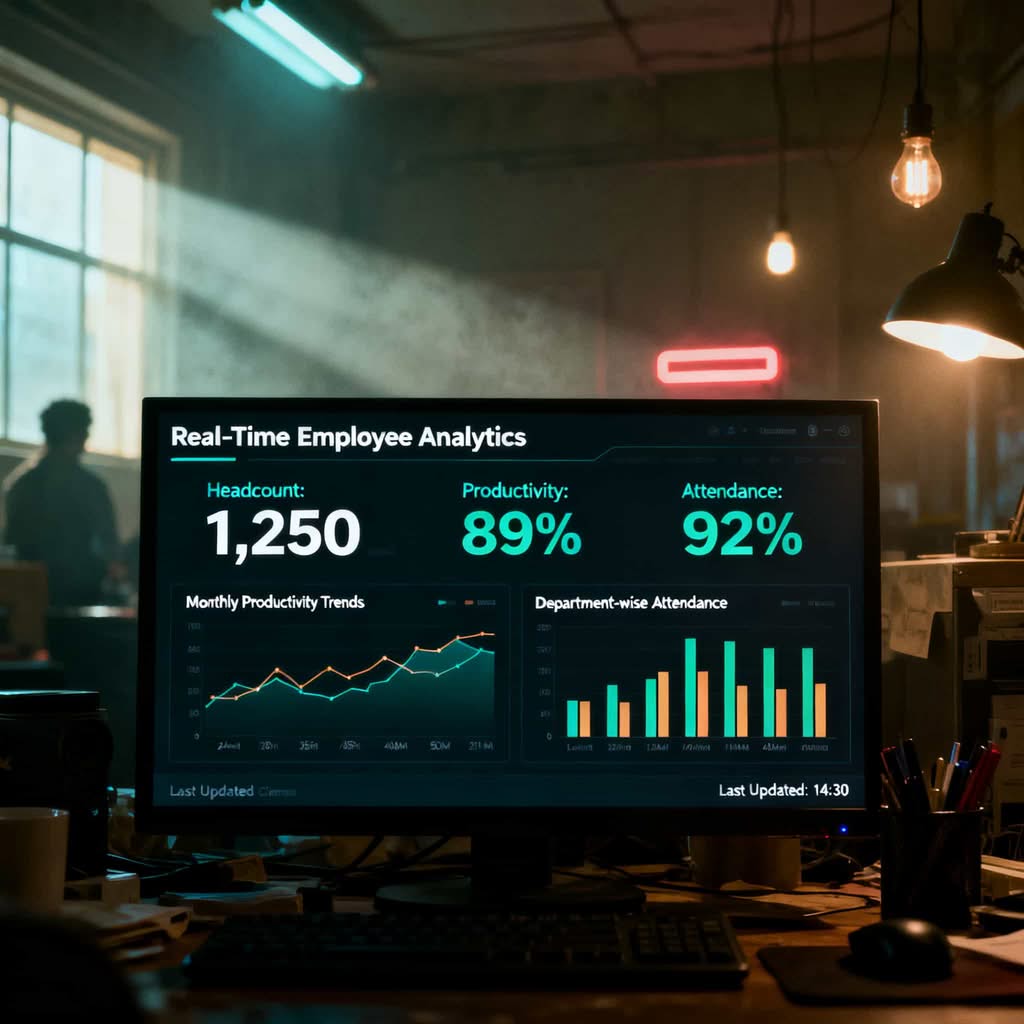
This approach allows leadership to view evolving workplace trends through dynamic dashboards rather than static PDFs. Real-time data streams capture cultural shifts immediately after organizational changes, giving executives a clear view of company health.
Ensuring Absolute Anonymity via Third-Party Vaulting
Data is only useful if it is accurate. By utilizing an independent, expert third-party firm to host and analyze workspace feedback, you instantly remove the fear of internal retaliation.
Employees feel safe sharing honest critiques, ensuring the data contains genuine structural insight. Third-party data vaulting removes the corporate compliance risks associated with handling sensitive internal sentiment metrics directly.
💡 Expert Insight
True workforce optimization requires separating data collection from internal infrastructure. When workers know an external expert manages the data vault, response accuracy increases by up to 40%.
Applying Advanced Multivariate Regression Modeling
True enterprise employee analytics go far beyond simple averages or basic pie charts. Elite platforms apply multivariate regression modeling to reveal the true drivers of engagement.
For instance, while a standard survey might show that employees want higher pay, advanced behavioral modeling often reveals a different truth. Poor cross-departmental communication or bad management tools are frequently the actual primary drivers of your top performers leaving.
Maximize Business ROI Through Targeted Attrition Interventions
Organizations must translate raw data into specific operational improvements to see a real financial return. When you understand the exact friction points within specific teams or geographic divisions, you can implement micro-interventions that maximize business capital.
Deploying Targeted Leadership Mentorship
If the analytics show a specific business department is suffering from high attrition due to management misalignment, you can deploy coaching directly to that division’s leadership team. This avoids forcing the entire company through unnecessary, generalized training program updates.

Optimizing Broken Operational Processes
Often, employee frustration stems directly from broken internal processes that hinder natural output. Workforce data highlights these exact operational bottlenecks, allowing IT and operations to clear the path for enhanced performance. Removing administrative friction directly improves daily employee engagement.
Designing Proactive, Predictive Retention Strategies
Advanced algorithms can identify early statistical markers of voluntary resignation months before an employee actually hands in their notice. This allows human resource teams to proactively intervene with specialized retention pathways. Predictive strategies save critical talent assets before replacement costs are incurred.
✅ Quick Tip
Focus your optimization efforts on departments with high operational friction first. Fixing tool deficiencies for your core execution teams yields the fastest ROI.
Frequently Asked Questions (FAQ)
What is enterprise employee analytics?
Enterprise employee analytics is the systematic collection, analysis, and interpretation of workforce data to optimize organizational performance and retention. It combines sentiment tracking, behavioral modeling, and operational metrics to give leaders predictive insights into workforce health.
How does workforce data modeling protect employee privacy?
Elite workforce platforms utilize independent, third-party data vaulting to completely separate individual identities from feedback scores. By reporting findings only in aggregated team cohorts, the system guarantees absolute worker anonymity while highlighting macro cultural trends.
Why are legacy management consulting firms inefficient for turnover analysis?
Legacy firms rely on slow, manual consulting cycles that typically take several months to execute. By the time they deliver their findings, internal corporate dynamics have already shifted, making the data outdated and expensive.
Can enterprise employee analytics predict voluntary resignations?
Yes, advanced behavioral data models track specific statistical indicators—such as declining engagement patterns and tool friction—to flag voluntary turnover risks up to 90 days before they happen. This early warning gives human resource departments time to deploy targeted retention strategies.
What is the average financial ROI of modern workforce science platforms?
By replacing broad, expensive corporate wellness rollouts with precise micro-interventions, enterprises typically eliminate unnecessary program spending while cutting overall talent replacement costs by up to 25%.
How does data integration work with existing legacy HR systems?
Modern analytics pipelines utilize secure API frameworks to pull data from existing enterprise systems without disrupting daily operations. This ensures a rapid deployment timeline that usually takes weeks rather than months.
Execute Your Transition to an Agile Data Blueprint
Transitioning away from slow legacy consultancies toward an agile platform strategy does not require a year-long transformation project. By partnering with specialized boutique analytics providers, your business can activate a high-tier data solution in a matter of weeks.
The choice ahead for modern organizations is clear. You can continue to lose valuable talent to unrecognized cultural friction, pay massive consulting fees for historic reports, or implement a targeted system built on scientific data clarity.
By prioritizing enterprise employee analytics, you protect your cultural foundations, optimize operational productivity, and build a resilient workforce strategy that powers predictable, long-term business growth.